Greek myths tell stories of love, tragedy and human nature: Perseus and Andromeda
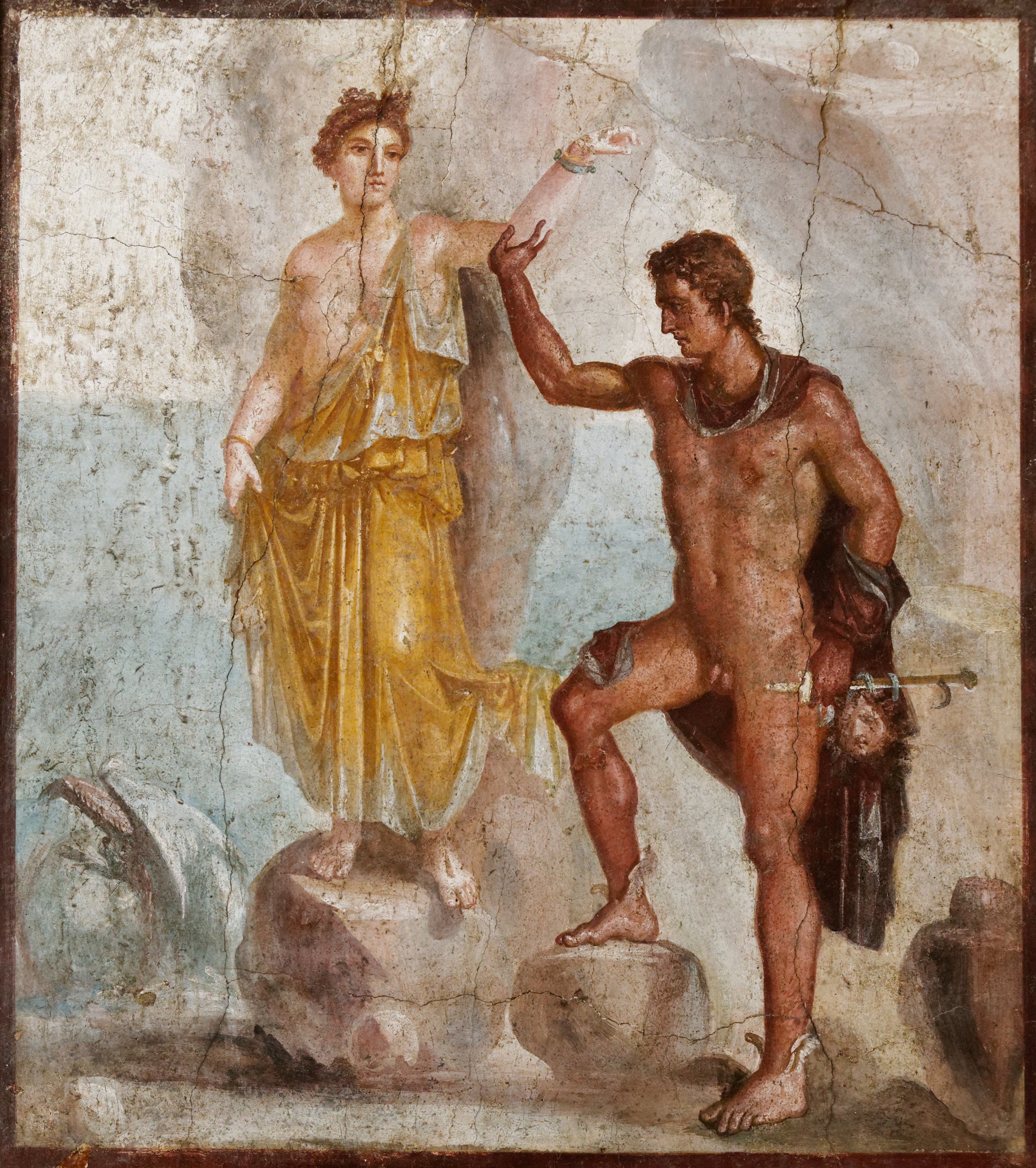
Andromeda is the daughter of Cepheus and Cassiopeia, the king and queen of Ethiopia. Her mother, Cassiopeia, foolishly boasts that Andromeda is more beautiful than the sea nymphs, the Nereids—an act of hubris that the gods cannot tolerate.
To punish the queen for her arrogance, Poseidon floods the kingdom's coast and sends a sea monster named Cetus to ravage its inhabitants. In desperation, King Cepheus consults the oracle of Ammon, who announces that no respite can be found until the king sacrifices his daughter, Andromeda, to the monster. She is thus stripped naked and chained to a rock by the sea to await her death. Perseus is just then flying near the coast of Ethiopia on his winged sandals having slain the Gorgon Medusa and carrying her severed head, which instantly petrifies any who look at it. Upon seeing Andromeda bound to the rock, Perseus falls in love with her, and he secures Cepheus's promise of her hand in marriage if he can save her. Perseus kills the monster with the Medusa's head, saving Andromeda.
Andromeda follows her husband to his native island of Seriphos, where he rescues his mother, Danaë from her unwanted wedding to the king Polydectes. To avenge his mother’s mistreatment, Perseus revealed Medusa’s head, turning Polydectes and his court to stone. They next go to Argos, where Perseus is the rightful heir to the throne.
While taking part in a discus-throwing competition Perseus discus goes off course—either due to wind or bad luck—and strikes Acrisius, who was watching the games as a spectator. The blow was fatal, and Acrisius dies instantly, thus fulfilling an earlier prophecy that Acrisius would be killed by his daughter’s son.
Perseus rules over Tiryns; he and Andromeda have six sons and one daughter, and their descendants go on to rule Tiryns and Mycenae for generations. Among their lineage is the great hero Heracles.
In the end, the goddess Athena places Andromeda among the stars as the constellation Andromeda. She is depicted with her limbs outstretched, echoing the moment she was chained to the rock—a lasting tribute to both her ordeal and Perseus’s heroic rescue. Perseus is also immortalized by the gods as a constellation because of his heroic deeds.
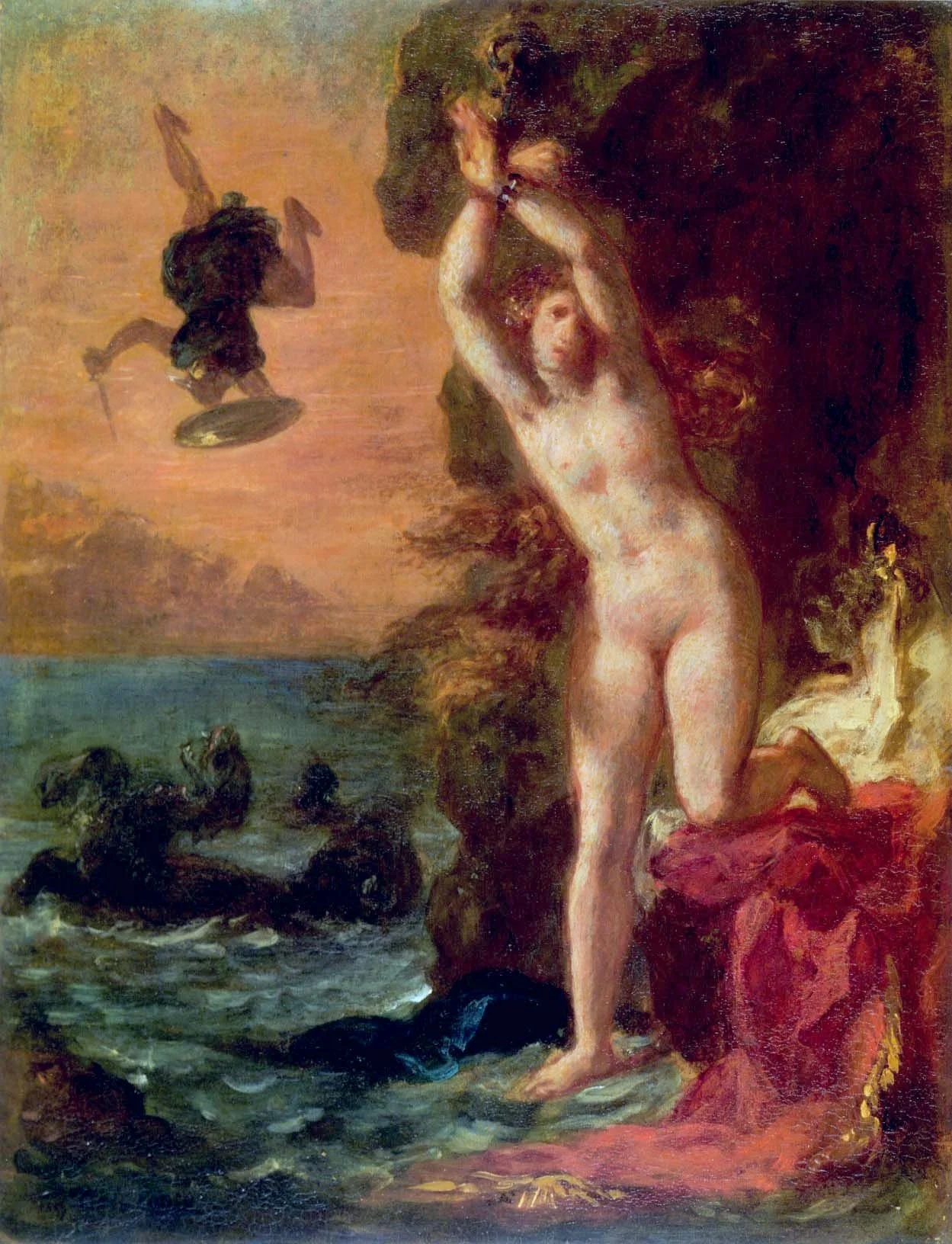
Eugène Delacroix, Perseus and Andromeda, c. 1853, follows the mainstream in depicting Andromeda as light-skinned

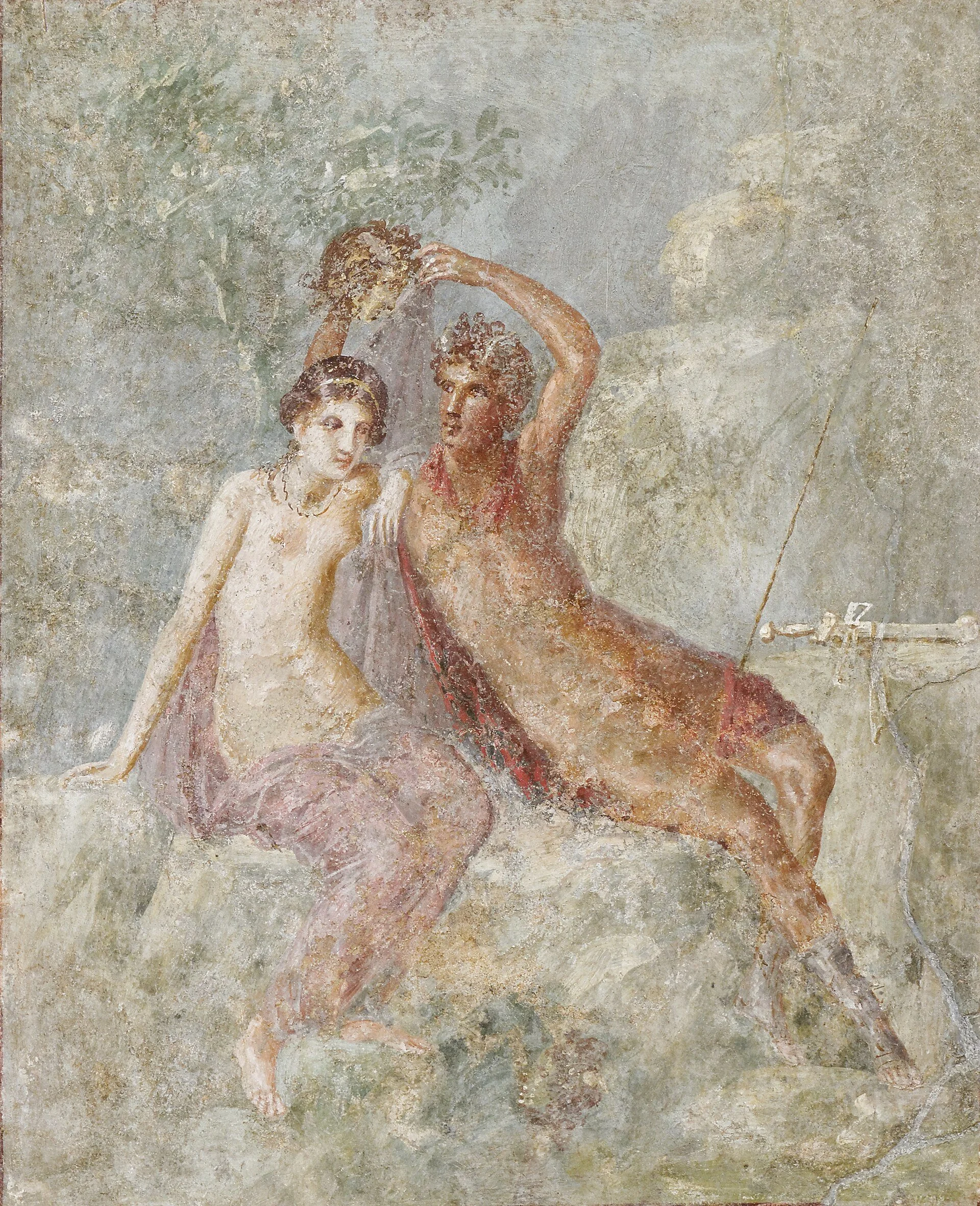
Perseus holds up Medusa's head so Andromeda may safely see its reflection in the pool below. Fresco, 1st century AD, Pompeii
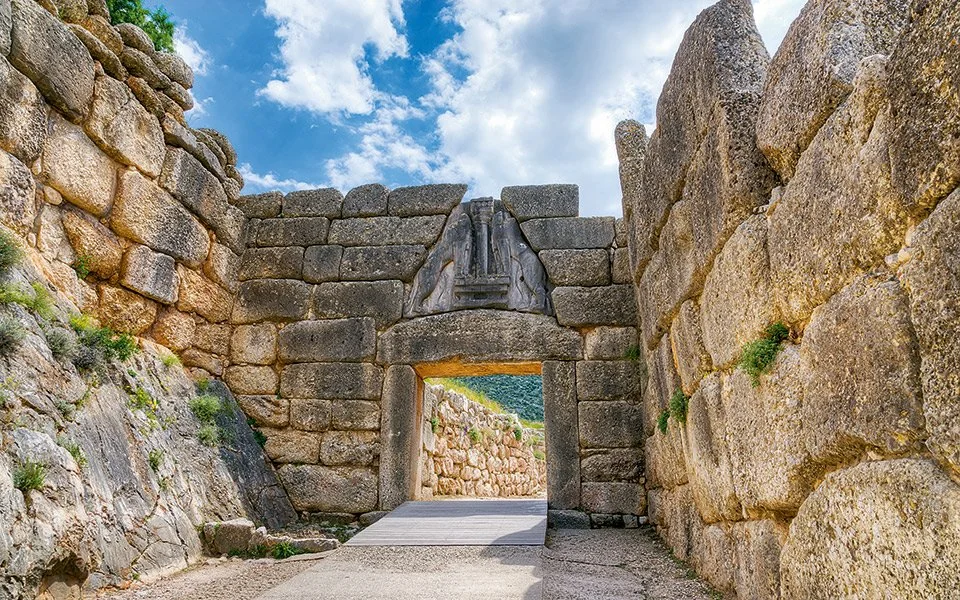
Mycenae and Tiryns are UNESCO World Heritage archaeological sites in the Peloponnese, Greece, representing the, pinnacle of the Late Bronze Age Mycenaean civilization (c. 1600–1200 BC) and are known for their monumental "Cyclopean" walls and palace ruins