

Greek myths tell stories of love, tragedy and human nature: The abduction of Persephone
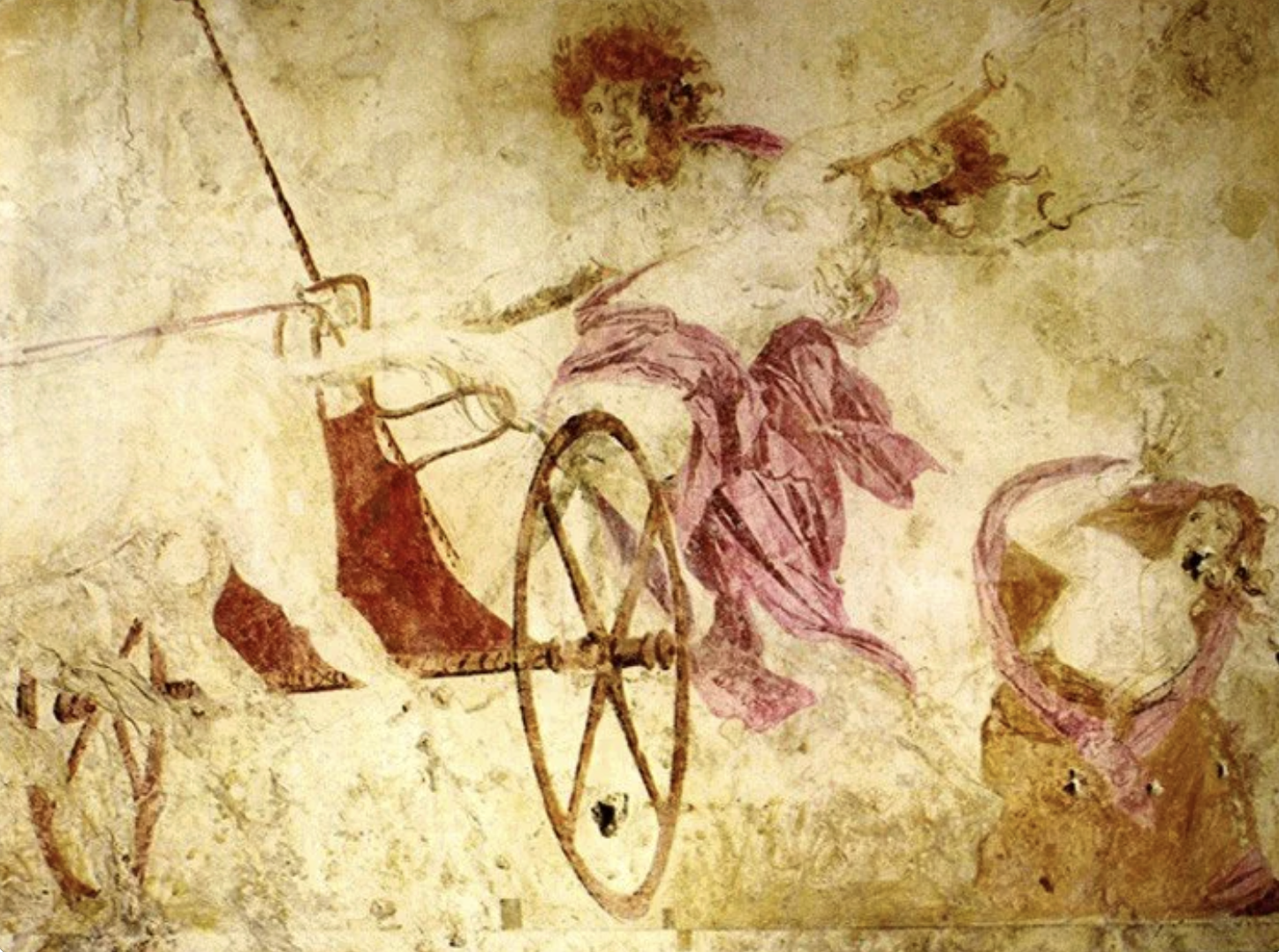
Hades abducting Persephone. Hellenistic painting from royal tombs of Vergina, Greece ~700 BCE
Persephone was the daughter of Zeus, king of the gods, and Demeter, goddess of the harvest and fertility. Renowned for her beauty and innocence, Persephone caught the attention of Hades, ruler of the underworld, who wished to make her his queen. Seeking permission, Hades appealed to Zeus, who secretly consented to the union. With the aid of Gaia, the earth itself was made to assist in the plan.
One day, while Persephone wandered through a bright meadow gathering flowers with carefree joy, the ground suddenly split open beneath her. From the dark chasm emerged Hades in his black chariot, drawn by immortal horses. Before Persephone could escape or cry out for help, he seized her and carried her down into the underworld, the earth closing behind them as swiftly as it had opened.
Only two witnessed the abduction: Hecate, goddess of magic, who heard Persephone’s cries, and Helios, the all-seeing sun god, who watched the scene unfold from the heavens. It was they who later revealed the truth to Demeter.
Stricken with grief, Demeter wandered endlessly in search of her daughter, carrying torches across the earth and refusing rest. In her sorrow she neglected the land she once lovingly tended; the fields withered, crops failed, and a terrible barrenness spread across the world. Famine threatened both mortals and the gods who depended upon their offerings.
At last, the gods intervened and arranged a compromise. Persephone would be allowed to return to the world above for part of each year. Yet before leaving the underworld, she ate the seeds of a pomegranate, In Greek mythology, eating food from the underworld creates a bond to that realm. So when Persephone ate the pomegranate seeds offered by Hades, she became bound forever to Hades and his shadowed realm. And so, for part of the year, Persephone remains beneath the earth beside the king of the dead, while for the rest she returns to her mother and the warmth of the living world.
Her descent and return came to mark the cycle of the changing seasons. When Persephone rises from the underworld, Demeter rejoices, the earth softens, flowers bloom, and the fields grow green once more. But when Persephone descends again into darkness, grief falls upon the world; the leaves fade, the harvest ends, and the earth grows cold and barren. Thus winter was born, and with Persephone’s return each spring, life begins anew.
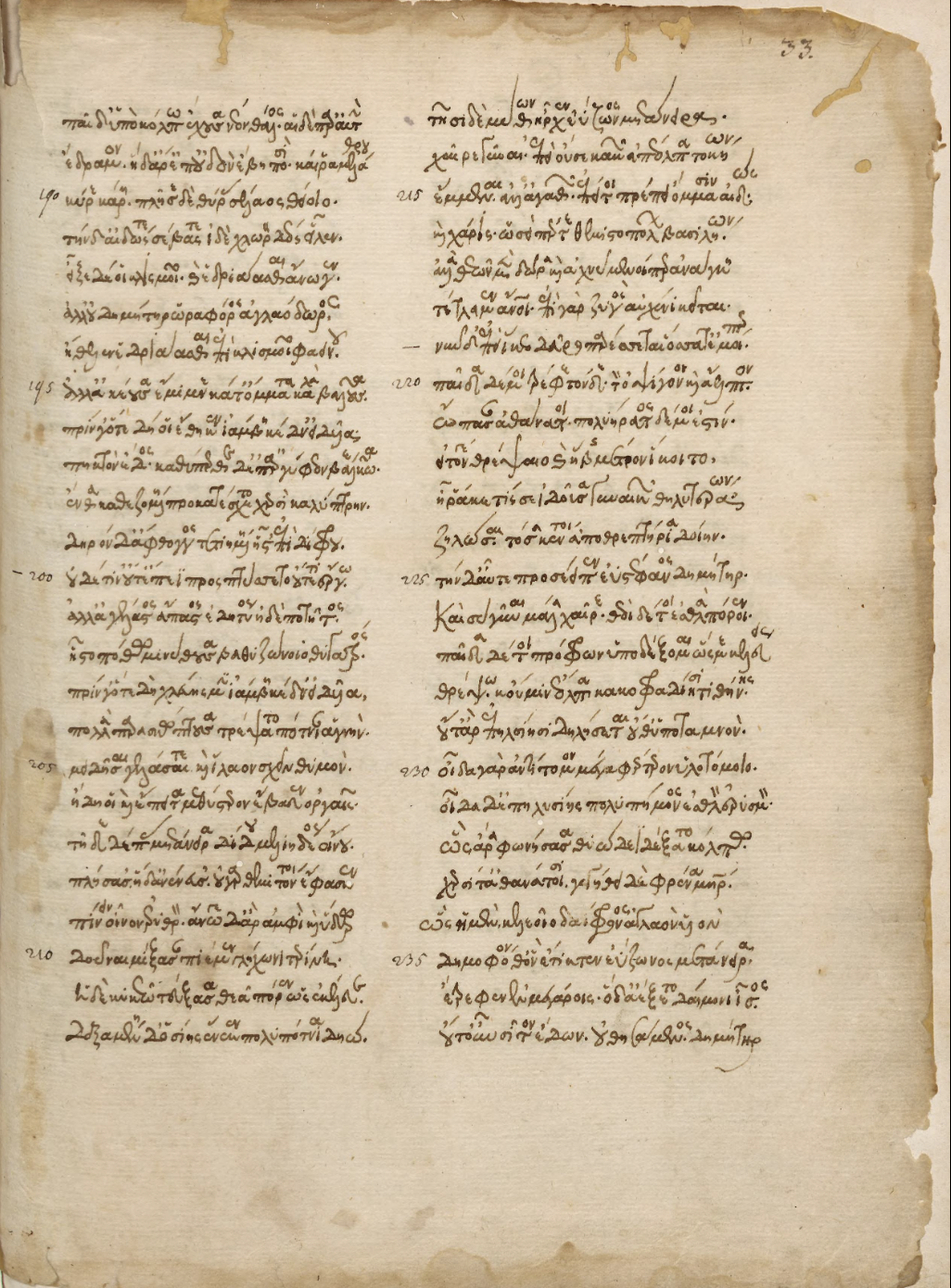
Homeric Hymn to Demeterer
The Homeric Hymn to Demeter is an ancient Greek religious poem, traditionally attributed to Homer, composed in the late seventh or early sixth century B.C.E. It narrates the abduction of Persephone by Hades and the grief of her mother, Demeter, explaining the origins of the seasons and the rites of the Eleusinian Mysteries. The hymn stands as a central text in early Greek thought on fertility, death, and rebirth.
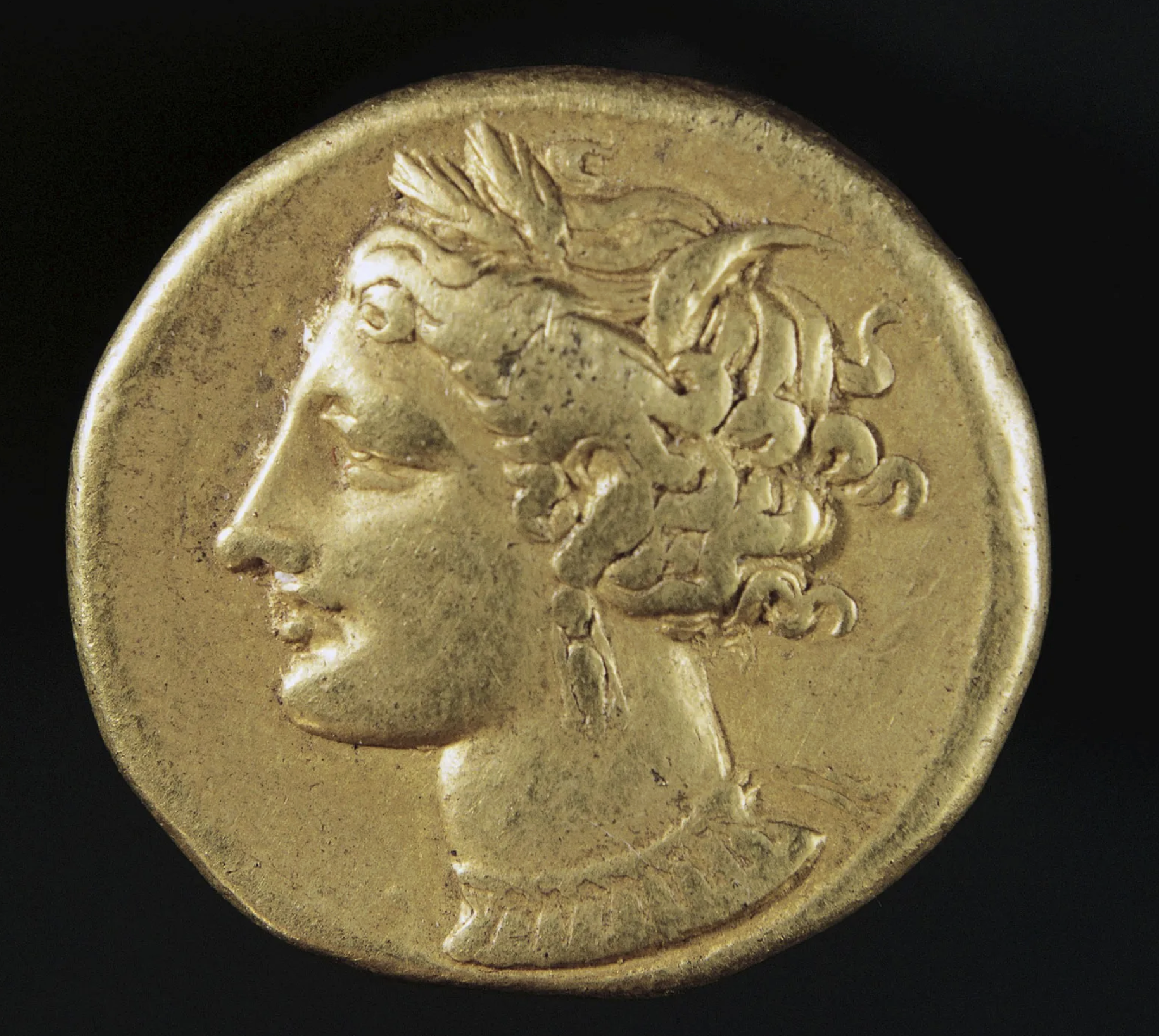
In Ancient Greek art, Persephone is depicted as the dual-natured Queen of the Underworld and goddess of Spring, often shown being abducted by Hades, holding a pomegranate (the seed of her binding), or carrying sheaves of grain.uently represented alongside her mother, Demeter, in scenes detailing the Eleusinian Mysteries.
Rare gold coin from Carthage depicting the goddess Persephone, 441–317 BCE.
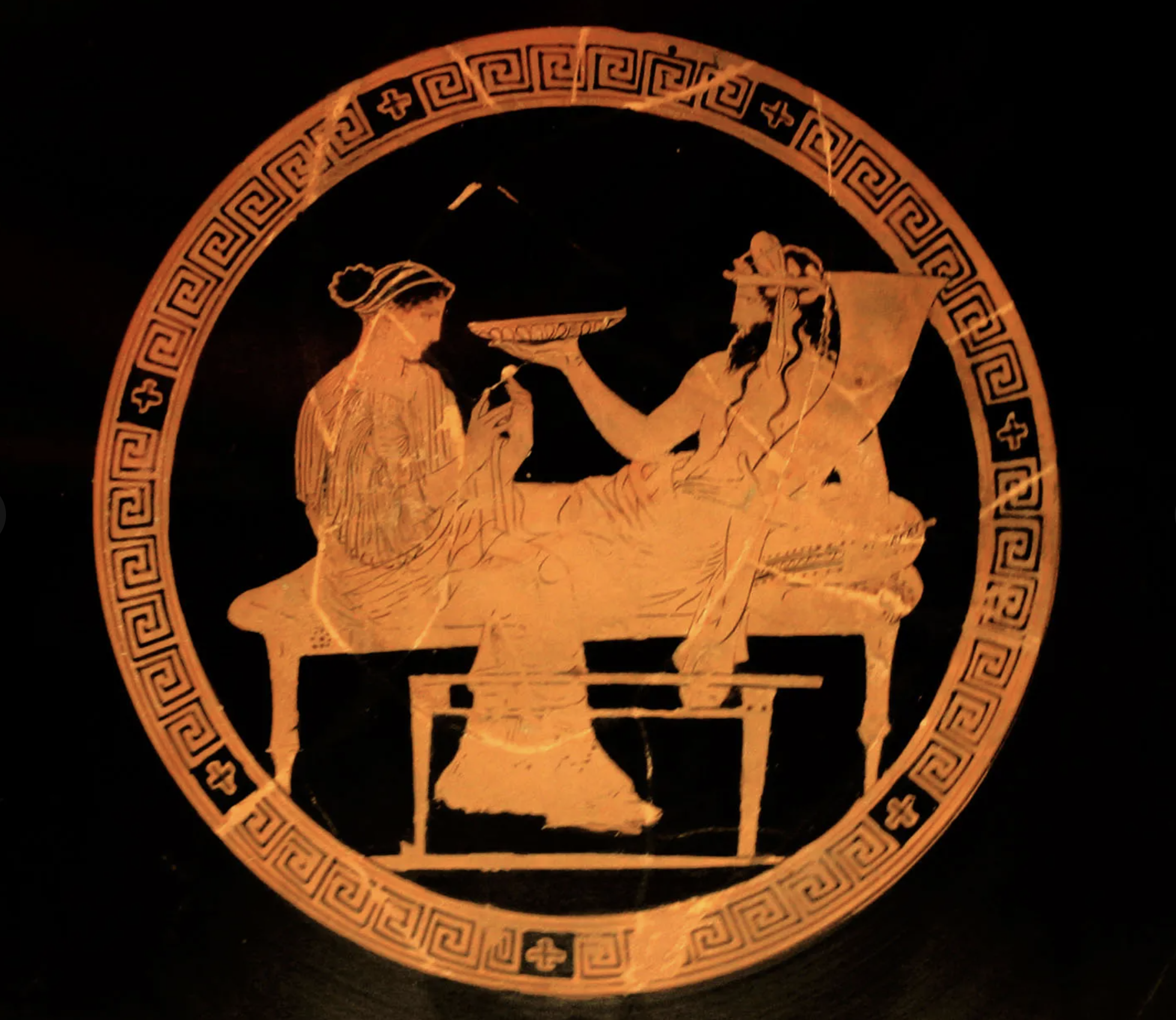
Hades and Persephone in the underworld, interior of a Greek red-figured kylix (cup), from Vulci, c. 430 bce; in the British Museum, London.